

.svg)
.svg)
.svg)
.svg)

Farmland sits at the foundation of the global economy. It produces what people need every day, and it cannot be scaled the way demand can.
Farmland REIT acquires productive U.S. farmland and leases it to working farmers, focusing on agricultural land that is actively used in ongoing farming operations.

.svg)

Why Farmland

How Farmland Has Performed
Historically, farmland has demonstrated income potential, long-term land appreciation, and differentiated performance across market cycles.
SOURCE: USDA ERS / American Farm Bureau Federation / AceTrader
There is a limited amount of usable land, and over time, more of it is removed from production, used for housing, infrastructure, and energy.
That means:
.svg)
At the same time, farmland is not a passive asset. It is actively used. Farmers lease land to grow crops and operate their businesses. They pay for access to productive acreage, because their livelihood depends on it.
This creates a model where land is:
.svg)
For decades, access to farmland ownership has been limited to institutions, large landowners, and farming families.
Most investors have never had a practical way to participate. This is what makes farmland structurally different from many traditional assets.
It is limited, required, and actively producing, all at the same time.
Growing Demand vs Limited Farmland
SOURCE: USDA ERS / American Farm Bureau Federation / AceTrader

.svg)
How It Works
A Simple Structure Built Around Real-World Use
The result is a model where income is tied to the use of land itself, not dependent solely on market sentiment or price movement.
Because the land is actively used, income is tied to real-world agricultural activity, not just financial markets.
Over time, the land itself may also increase in value as it continues to be held and used.

Chief Executive Officer
“If you spend enough time around farmland, you start to see what actually matters. It’s not just about owning land, it’s about how that land is used, who’s working it, and whether it can keep producing year after year. Farmers don’t think in quarters.
They think in seasons, in yields, in what the land can support over time. That perspective shapes everything we do at Farmland REIT. The focus is simple: acquire productive land, work with experienced operators, and build a structure that reflects how farmland actually works, not just how it looks on paper.”
An Asset Class That Has Historically Been Out of Reach
.svg)
The Opportunity
Investing in farmland has traditionally required:
.svg)
As a result, access has been limited. That structure is beginning to change.
New investment models are making it possible to participate in farmland without owning or operating it directly. At the same time, more investors are looking beyond traditional markets for exposure to real assets.
Farmland is increasingly being viewed not just as land, but as part of an investable asset class. Farmland REIT is built within this shift.
For decades, this access was limited. Today, it is beginning to open, but remains largely underpenetrated by individual investors.
.svg)
Why Farmland REIT



.webp)
.webp)
Built Around How Farmland Actually Works. Investing in farmland requires more than capital.

Farmland REIT focuses on acquiring productive farmland and leasing it to experienced operators who actively work the land.
Decisions are informed by both:
This approach is designed to prioritize:
At the same time, the structure is built to simplify access. Investors are able to participate in farmland without sourcing land, managing operations, or being directly involved.
Farmland REIT is built to bridge the gap between capital and real-world agricultural operations.
It requires understanding:
.svg)
Built With Real Agricultural and Operational Expertise
Farmland REIT is supported by operators and advisors with decades of hands-on agricultural experience. This is not a purely financial approach to land. It is grounded in how farmland is actually used and managed.
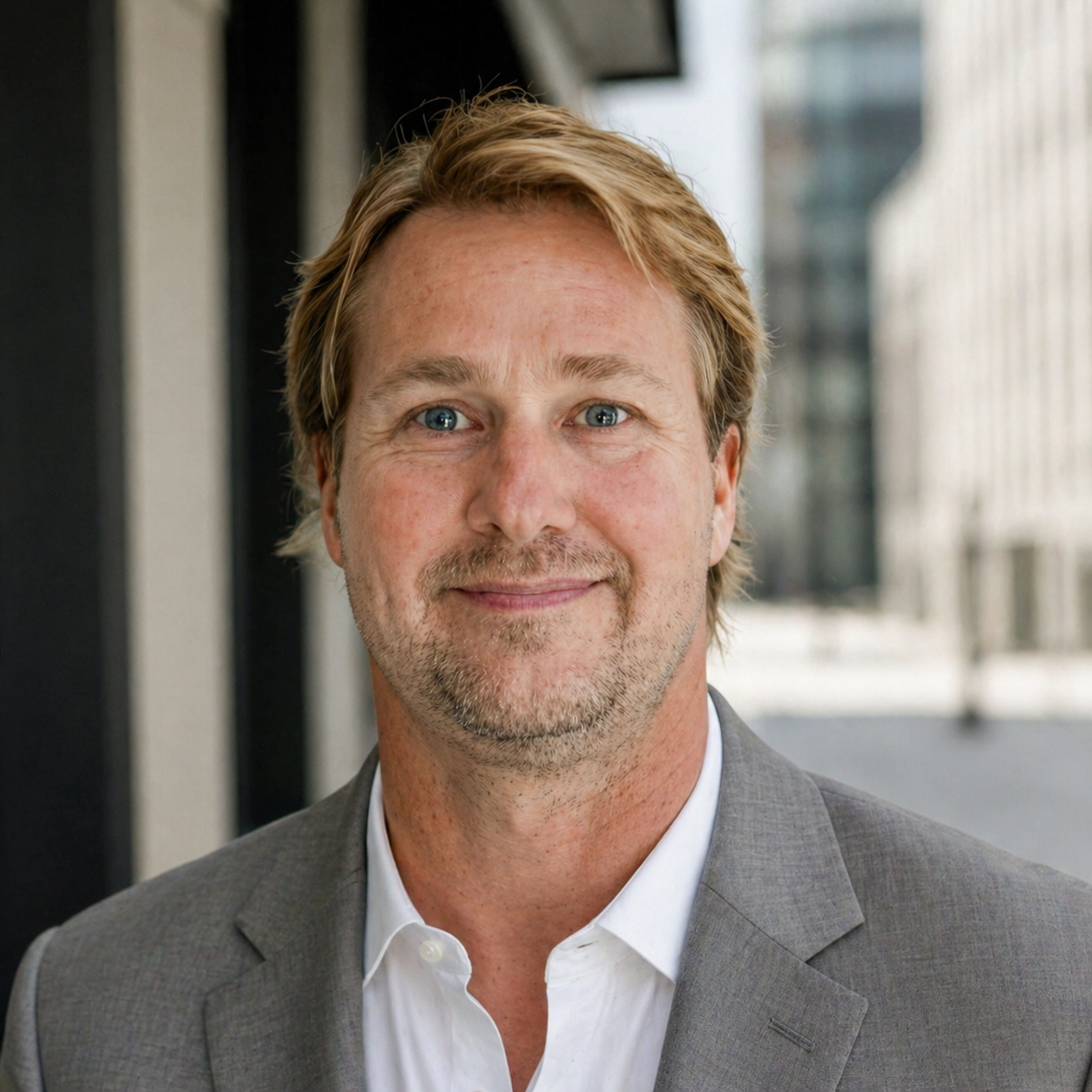
Mike Martin
Chief Executive Officer

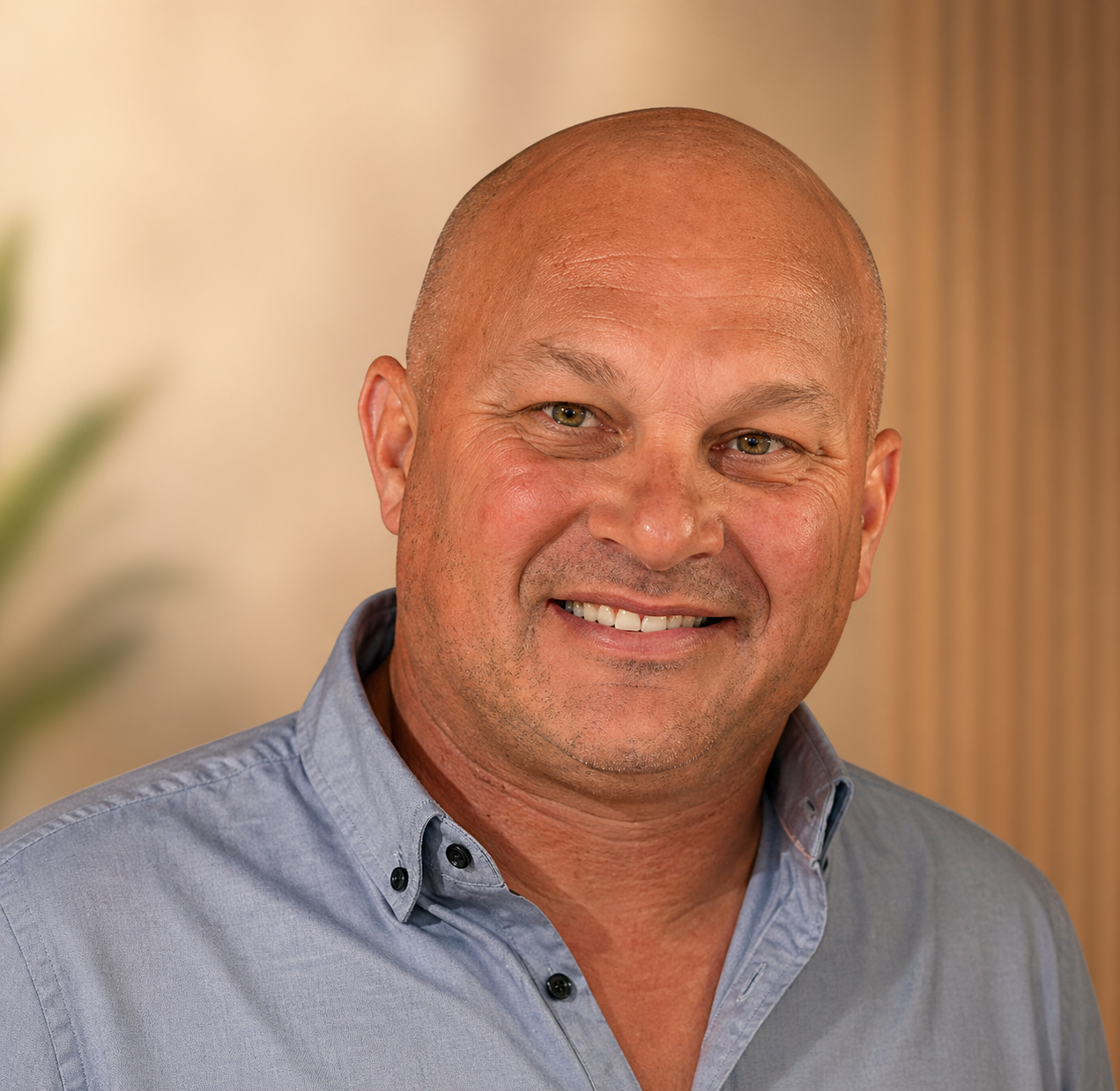
Blaine Phillips
Senior Advisor - Land Acquisition & Operations
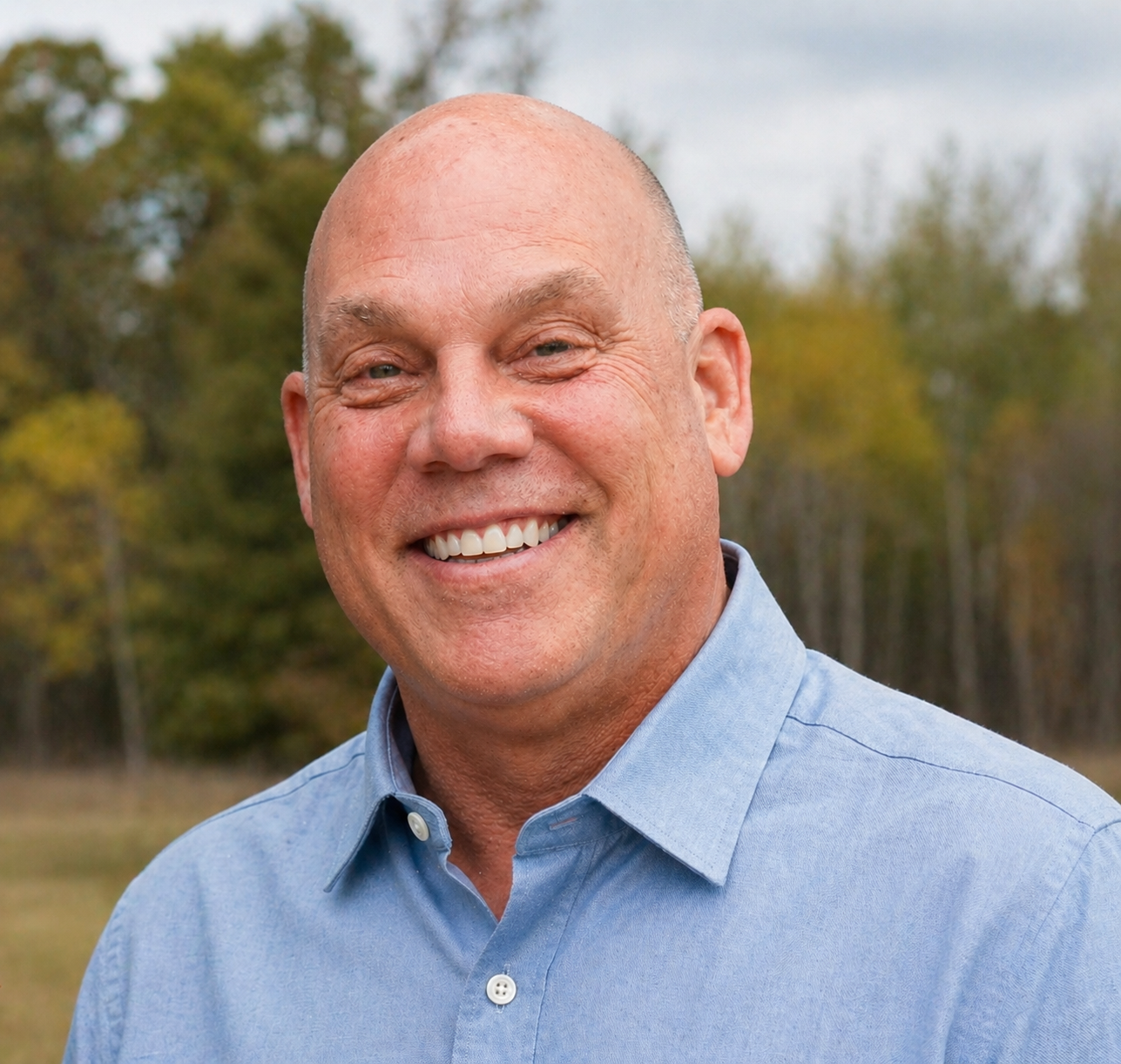
Troy Phillips
Operations & Strategy Advisor
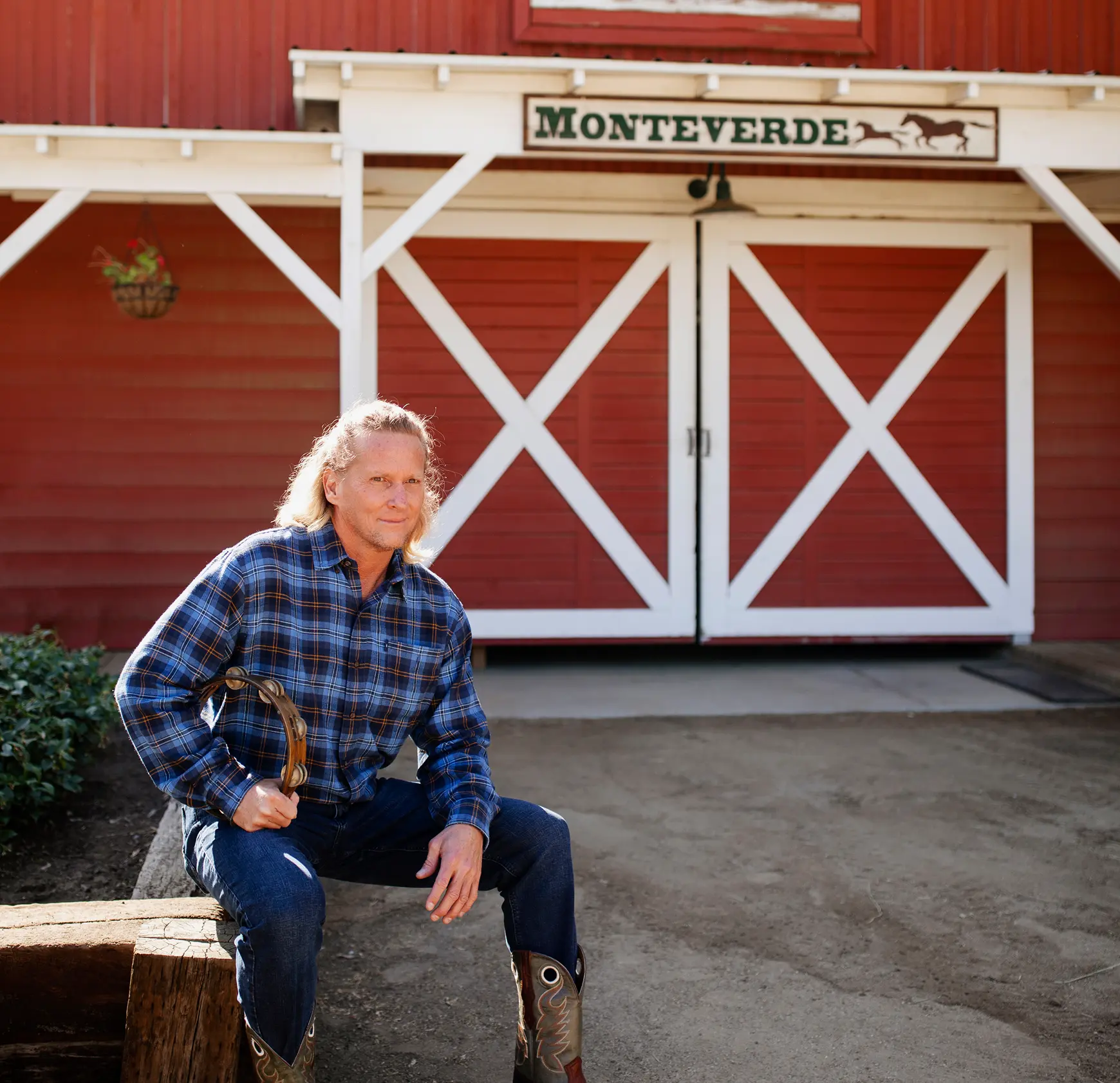
Bradley Phillips
Agricultural Consultant & Special Projects
.svg)

Income from Land that is actively used
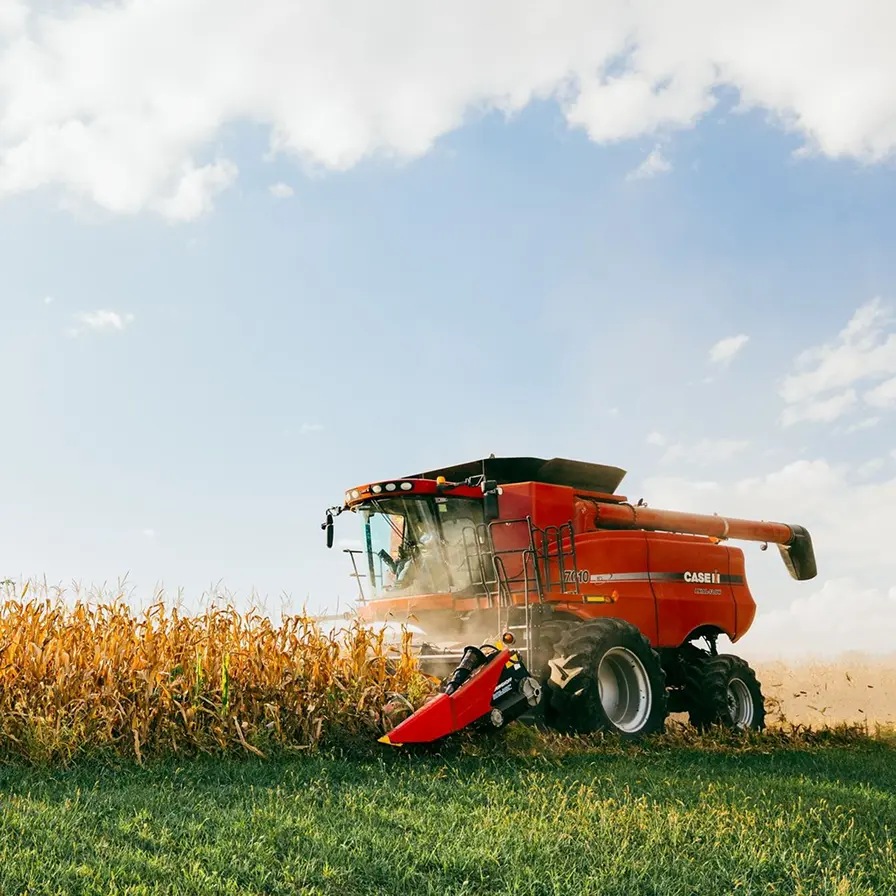
Farmland REIT acquires farmland and leases it to farmers who depend on that land to operate their businesses. Farmers pay to use the land, creating income tied to real-world activity.
This structure is built around:
Because farmers rely on land to generate their own revenue, lease payments are connected to essential economic activity.
In addition to leasing income, farmland may also benefit from long-term value as it continues to be held and used.
Market
A Large Asset Class With Limited Access
U.S. farmland represents a large and established asset class.
Ownership has historically been fragmented across:
Access has remained limited due to the capital, relationships, and operational involvement required.
As investment structures evolve, farmland is becoming more accessible to a broader group of investors.

.svg)
Why Investors Are Looking at Farmland.


.webp)
.webp)
.svg)
.svg)
Use of Funds
Capital raised through this offering is intended to support the acquisition and management of U.S. farmland.
The majority of proceeds are expected to be used for farmland acquisition.
Additional capital may be allocated across key areas required to support ongoing operations and growth.

Purchasing productive farmland that can be leased to experienced operators.

Supporting activities required to manage and maintain farmland over time.

Covering operating expenses associated with managing the investment structure.
This allocation is designed to support the acquisition, use, and long-term management of farmland.
Frequently Asked Questions
.svg)
Anyone can invest in a Regulation Crowdfunding offering. Because of the risks involved with this type of investing; however, you may be limited in how much you can invest during any 12-month period in these transactions. If you are an accredited investor (see definition below), then there are no limits on how much you can invest. For Non-Accredited Investors (most fall into this category) the limitation on how much you can invest depends on your net worth and annual income.
If either your annual income or your net worth is less than $124,000, then during any 12-month period you can invest up to the greater of $2,500 or 5% of the greater of your annual income or net worth. If both your annual income and your net worth are equal to or more than $124,000, then during any 12-month period, you can invest up to 10% of your annual income or net worth, whichever is greater, but not to exceed $124,000.
An accredited investor, in the context of a natural person, includes anyone who, among others: earned income that exceeded $200,000 (or $300,000 together with a spouse or spousal equivalent) in each of the prior two years, and reasonably expects the same for the current year, OR has a net worth over $1 million, either alone or together with a spouse or spousal equivalent (excluding the value of the person’s primary residence), OR holds in good standing a Series 7, 65 or 82 license.
After you review the offering statement and information and decide what you’d like to invest and how much, you complete the application with the requested information and electronically sign the documentation.
Andes Capital, the Broker-Dealer, reviews the information for Anti-Money Laundering and Know Your Customer type reviews
● If you pass the review, Andes Capital initiates the funds via ACH or Credit Card (or you send the wire or check if applicable)
● If you don’t pass the review, Andes Capital or the Issuer will reach out to you to update the information to clear you for the reviews or otherwise
Once the escrow agent has cleared the funds (funds go directly there), Andes Capital will match your funds with your cleared application for investment, and issue you the stock by validating the subscription agreement and notifying the Transfer Agent to record your ownership on the Issuers capitalization table.
The timeline is generally 2 to 4 weeks but can always happen sooner. It all depends on the information you provide and if there are issues, how quickly we hear back from you.
If we bump up against any “hits” on our reviews, we are required to clear each one of those potential conflicts to evidence there are no issues.
If the information provided is not correct or is incomplete, we will need to reach out and get this corrected.
Even though funds are initiated or you see them pending in your funding source, this does not mean they are in the escrow account for the offering. Based on the payment rails available in the US, these funds may not appear in escrow for 1-2 days and then they have to sit there for a few days until the escrow agent is satisfied there doesn’t appear to be any issues.
Matching of payments to approved applications happens in batches, so while all are ready to be closed, your application may be in the next batch.
Andes Capital Group is the FINRA/SEC registered Broker-Dealer who has been engaged by the Issuer to act as the Onboarding Agent for this offering.
Andes Capital Group is NOT soliciting this investment nor making any recommendations by collecting, reviewing, and processing your application for investment.
Andes Capital Group conducts Anti-Money Laundering, Identity, and Bad Actor Disqualification reviews of the Issuer, and ensures they are a registered business in good standing.
Andes Capital Group is NOT validating or approving the information provided by the Issuer or the Issuer itself.
Contact information is provided for applicants to make inquiries and requests of Andes Capital Group regarding the general application process, the status of the application, or general Reg CF regulation-related information. Andes Capital Group may direct applicants to specific sections of the Offering Statement to locate information or answers to their inquiry but does not opine or provide guidance on Issuer-related matters.
Andes Capital Group is compensated by the Issuer for providing its Broker Onboarding Agent services as disclosed in the Offering Statement. Andes Capital Group does NOT charge the applying investor any fees whatsoever.
By investing in an Issuer’s Reg CF offering where Andes Capital Group is the Broker-Dealer Onboarding Agent, Andes Capital must ensure that you as the investor, do not breach the SEC’s limits on investing in Reg CF Offerings within a 12-month period.
While it’s not a full-fledged brokerage account where we custody your holdings or recommend any investments, you will have an account at Andes Capital to track the investments made where Andes Capital was engaged as the Broker-Dealer Onboarding Agent.
There is NO cost, charge, or annual fees etc. for this account whatsoever.
At the beginning of the footer and above the disclosures, place the Andes logo, contact information, and links.

IN MAKING AN INVESTMENT DECISION, INVESTORS MUST RELY ON THEIR OWN EXAMINATION OF FARMLAND REIT, LLC. (THE “COMPANY”) AND THE TERMS OF THE OFFERING, INCLUDING THE MERITS AND RISKS INVOLVED. ALL INVESTORS SHOULD READ THE OFFERING MEMORANDUM PROVIDED IN CONJUNCTION WITH THIS OFFERING. INVESTMENT OPPORTUNITIES POSTED ON THIS WEBSITE ARE SPECULATIVE, ILLIQUID, AND INVOLVE A HIGH DEGREE OF RISK, INCLUDING THE POSSIBLE LOSS OF YOUR ENTIRE INVESTMENT. THE COMPANY IS NOT A BROKER/DEALER, DOES NOT OFFER INVESTMENT ADVICE OR RECOMMENDATIONS WITH RESPECT TO ANY SECURITIES. THIS OFFERING UNDER REGULATION CROWDFUNDING IS BEING CONDUCTED THROUGH ANDES CAPITAL GROUP, LLC (“ANDES CAPITAL”), MEMBER OF THE FINANCIAL INDUSTRY REGULATORY AUTHORITY (“FINRA”). ALL SECURITIES POSTED ON THIS WEBSITE ARE OFFERED BY, AND ALL INFORMATION INCLUDED ON THIS SITE IS THE RESPONSIBILITY OF, THE COMPANY. ANDES CAPITAL CANNOT VERIFY THE ADEQUACY, ACCURACY OR COMPLETENESS OF ANY INFORMATION. NEITHER ANDES CAPITAL NOR ANY OF ITS OFFICERS, DIRECTORS, AGENTS, AND EMPLOYEES MAKES ANY WARRANTY, EXPRESS OR IMPLIED, OF ANY KIND WHATSOEVER RELATED TO THE ADEQUACY, ACCURACY OR COMPLETENESS OF ANY INFORMATION ON THIS SITE OR THE USE OF INFORMATION ON THIS SITE. ANDES CAPITAL, IS A BROKER-DEALER REGISTERED WITH THE SEC AND MEMBER FINRA / SIPC. FINRA’S BROKERCHECK. THE COMPANY AND ANDES CAPITAL ARE INDEPENDENT AND UNAFFILIATED ENTITIES.
ALL STATEMENTS, OTHER THAN STATEMENTS OF HISTORICAL FACT, CONTAINED ON THIS WEBSITE CONSTITUTE “FORWARD-LOOKING STATEMENTS” AND ARE BASED ON THE REASONABLE EXPECTATIONS, ESTIMATES, AND PROJECTIONS OF THE COMPANY AND THE COMPANY’S MANAGEMENT AS OF THE DATE OF LAUNCHING THIS WEBSITE. THE WORDS “PLANS,” “EXPECTS,” OR “DOES NOT EXPECT,” “IS EXPECTED,” “BUDGET,” “ANTICIPATES”, “SCHEDULED,” “ESTIMATES,” “FORECASTS,” “INTENDS,” “ANTICIPATES,” OR “DOES NOT ANTICIPATE,” OR “BELIEVES,” OR VARIATIONS OF SUCH WORDS AND PHRASES OR STATEMENTS THAT CERTAIN ACTIONS, EVENTS OR RESULTS “MAY,” “COULD,” “WOULD,” “MIGHT,” “WILL” OR “WILL BE TAKEN,” “OCCUR” OR “BE ACHIEVED” AND SIMILAR EXPRESSIONS IDENTIFY FORWARD-LOOKING STATEMENTS. FORWARD-LOOKING STATEMENTS INCLUDE, WITHOUT LIMITATION, STATEMENTS REGARDING OUR PROJECTED NUMBER OF SALES, REVENUES, VALUATION, INVESTMENT RETURNS, EXPECTED CUSTOMER DEMAND, AND THE COMPANY’S BUSINESS STRATEGY. FORWARD-LOOKING STATEMENTS ARE NECESSARILY BASED UPON A NUMBER OF ESTIMATES AND ASSUMPTIONS THAT, WHILE CONSIDERED REASONABLE BY THE COMPANY’S MANAGEMENT AS OF THE DATE OF SUCH STATEMENTS, ARE INHERENTLY SUBJECT TO SIGNIFICANT BUSINESS, ECONOMIC AND COMPETITIVE UNCERTAINTIES, AND CONTINGENCIES. THE ESTIMATES AND ASSUMPTIONS CONTAINED ON THIS WEBSITE, WHICH MAY PROVE TO BE INCORRECT, INCLUDE, BUT ARE NOT LIMITED TO, THE VARIOUS ASSUMPTIONS OF THE COMPANY SET FORTH HEREIN. KNOWN AND UNKNOWN FACTORS COULD CAUSE THE ACTUAL RESULTS TO DIFFER MATERIALLY FROM THOSE PROJECTED IN THE FORWARD-LOOKING STATEMENTS. SUCH FACTORS INCLUDE, BUT ARE NOT LIMITED TO, OUR SUCCESS IN RAISING CAPITAL THROUGH OUR REGULATION CF OFFERING, OUR PROJECTED TIME FRAMES, CHANGES IN DEMAND, INDUSTRY COMPETITION, LEGISLATIVE, FISCAL, AND REGULATORY DEVELOPMENTS, ECONOMIC AND FINANCIAL MARKET CONDITIONS, INCLUDING BUT NOT LIMITED TO THE CURRENT COVID-19 GLOBAL PANDEMIC. MORE INFORMATION ON THE FACTORS, RISKS, AND UNCERTAINTIES THAT COULD CAUSE OR CONTRIBUTE TO SUCH DIFFERENCES IS INCLUDED IN OUR FILINGS WITH THE SECURITIES AND EXCHANGE COMMISSION, INCLUDING IN THE “RISK FACTORS” SECTIONS OF OUR OFFERING STATEMENT ON FORM C. MANY OF THESE UNCERTAINTIES AND CONTINGENCIES CAN AFFECT THE COMPANY’S ACTUAL RESULTS AND COULD CAUSE ACTUAL RESULTS TO DIFFER MATERIALLY FROM THOSE EXPRESSED OR IMPLIED IN ANY FORWARD-LOOKING STATEMENTS MADE BY OR ON BEHALF OF THE COMPANY. THERE CAN BE NO ASSURANCE THAT FORWARD-LOOKING STATEMENTS WILL PROVE TO BE ACCURATE, AS ACTUAL RESULTS AND FUTURE EVENTS COULD DIFFER MATERIALLY FROM THOSE ANTICIPATED IN SUCH STATEMENTS. ALL OF THE FORWARD-LOOKING STATEMENTS MADE ON THIS WEBSITE ARE QUALIFIED BY THESE CAUTIONARY STATEMENTS. THESE FACTORS ARE NOT INTENDED TO REPRESENT A COMPLETE LIST OF THE FACTORS THAT COULD AFFECT THE COMPANY. THE COMPANY DISCLAIMS ANY INTENTION OR OBLIGATION TO UPDATE OR REVISE ANY FORWARD-LOOKING STATEMENTS, EXCEPT TO THE EXTENT REQUIRED BY APPLICABLE LAW OR REGULATION. THE INVESTORS ARE CAUTIONED NOT TO PLACE UNDUE RELIANCE ON THESE FORWARD-LOOKING STATEMENTS AS THEY ARE MEANT FOR ILLUSTRATIVE PURPOSES AND DO NOT REPRESENT GUARANTEES OF FUTURE RESULTS, LEVELS OF ACTIVITY, PERFORMANCE, OR ACHIEVEMENTS. THE MANAGERS HAVE DEVELOPED A BUSINESS PLAN TO GROW THE COMPANY RAPIDLY. HOWEVER, WE SUGGEST INVESTORS CAREFULLY READ OUR OFFERING CIRCULAR AND UNDERSTAND THE RISKS ASSOCIATED WITH INVESTING IN AN EARLY-STAGE COMPANY.
YOU MAY CANCEL YOUR INVESTMENT AT ANYTIME, FOR ANY REASON UNTIL 48 HOURS PRIOR TO A CLOSING OCCURRING. IF YOU HAVE ALREADY FUNDED YOUR INVESTMENT AND YOUR FUNDS ARE IN ESCROW, YOUR FUNDS WILL BE PROMPTLY REFUNDED TO YOU UPON CANCELLATION. TO SUBMIT A REQUEST TO CANCEL YOUR INVESTMENT PLEASE EMAIL [email protected] WITH REFERENCE TO YOUR INVESTMENT DETAILS AND YOUR CONTACT INFORMATION.
$100
250,000
B
.svg)
.svg)
● Minimum investment: $500
